Every therapy practice tracks the leads it converts, but almost none of them track the calls they never answered, and that second number is usually the bigger one. It is quietly costing clinics far more than they realize.
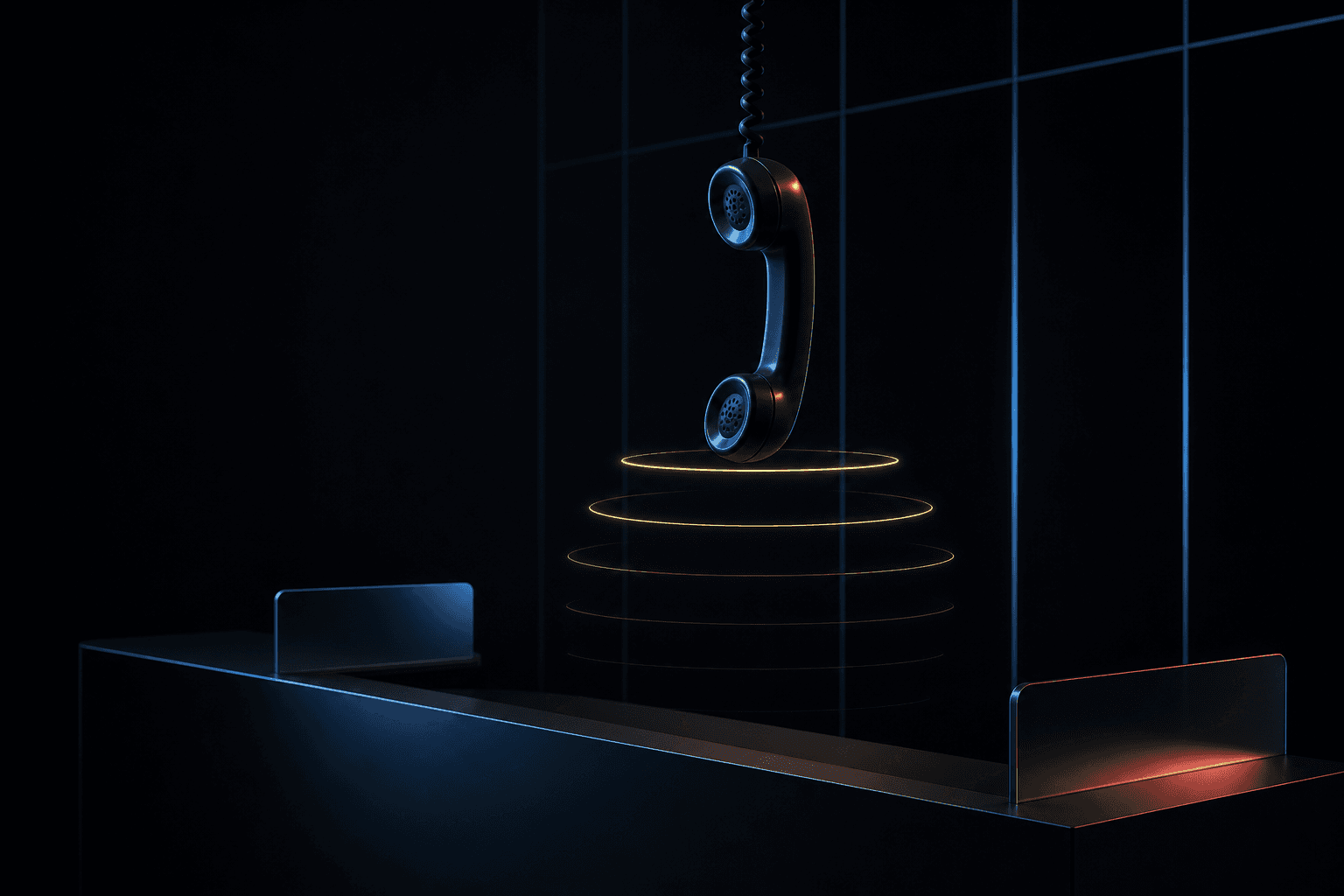
When a parent calls an ABA, OT, or speech practice, they are rarely casually shopping. They have a child who needs help, a referral in hand, and a short window of motivation before life gets in the way again, so when that call goes to voicemail, most of them do not leave a message and do not call back. They call the next clinic on the list instead, and the lead was never lost in your CRM because it never made it into your CRM at all.
How many calls are actually getting missed
Industry data on inbound phone handling is consistent and grim. Roughly 62% of calls to small businesses go unanswered, and the numbers get worse outside of business hours, during lunch, and any time the front desk is heads-down with a family in the lobby. For a busy clinic running a single reception line, missing one in three inbound calls is closer to a normal Tuesday than a worst case.
Voicemail does not save the lead either. Around 80% of callers who hit voicemail hang up without leaving a message, and studies of missed-call behavior consistently find that the large majority of those people never call a business back a second time. The phone rang, nobody picked up, and the family quietly moved on to a competitor who did.
This happens for structural reasons rather than laziness or a poor front desk. A human team that is also checking families in, verifying insurance, managing therapists' schedules, and handling the lobby physically cannot answer every line every time, so the phone becomes the first thing to drop when the day gets busy, and the day is always busy.
The math most owners have never run
Here is a deliberately conservative example for a mid-sized therapy practice, and you can adjust the inputs to your own numbers without the conclusion changing much.
Say your practice receives 40 inbound calls in a week and answers 70% of them live, which leaves 12 missed calls a week. If only a quarter of those missed callers were prospective new families rather than existing clients, vendors, or wrong numbers, that comes to 3 lost prospect calls a week, or roughly 150 a year.
Now assume that one in three of those prospects would have booked an evaluation if a person had actually picked up, which works out to 50 new evaluations a year that never happened. In pediatric therapy, the lifetime value of a single new client is rarely under a few thousand dollars, and in ABA it routinely runs into the tens of thousands across a course of care, so even at a conservative $5,000 per client, 50 lost evaluations is $250,000 a year walking out the door before anyone on your team ever knew the phone rang.
That number is the predictable output of a 70% answer rate and a healthcare deal size, and most clinics are answering well below 70%. The leak is almost always larger than the entire marketing budget that generated those calls in the first place.
You are paying twice for every missed call
Here is the part that stings: you already spent money to make that phone ring. Google Ads, SEO, your website, referral relationships, and the new AI visibility work that gets you recommended by ChatGPT and Google AI all exist to drive a parent to pick up the phone and call you.
When that call goes unanswered, you lose the patient on top of the acquisition cost you already paid to create the call. Every missed call is the most expensive kind of lost lead there is, because the hard part of getting a motivated family to dial your number already worked, and the only thing that failed was the pickup.
Why speed is the whole game
Even the calls you eventually return are worth less than the ones you answer live. A landmark study out of MIT and Harvard Business Review found that responding to an inbound lead within five minutes makes you up to 100 times more likely to make contact than waiting thirty minutes, and 21 times more likely to qualify that lead, and roughly 78% of buyers go with the company that responds first rather than the one that is best or cheapest.
A voicemail you return three hours later is competing against a clinic that answered on the first ring, and it is not in the same race. By the time your front desk gets back to that parent, they have often already booked an evaluation somewhere else. We covered the full six-stage version of this problem in the inbound lead system most businesses are quietly losing money on, and the phone is the single leakiest stage of all of it.
The fix is not hiring more front desk staff
The obvious answer is to throw people at the problem, but that rarely works. A second receptionist is expensive, only covers business hours, takes lunch, gets sick, and still cannot answer two lines at once during the morning rush, so you end up buying partial coverage at full cost while the after-hours gap, which is when anxious parents actually call, stays wide open.
This is exactly the gap an AI phone agent closes. It answers every call on the first ring, 24 hours a day, in your practice's voice, walking parents through the common questions about insurance, services, and next steps, booking evaluations directly into your scheduler, and routing anything genuinely urgent straight to your on-call team with a live transcript attached. The routine calls get handled, and your staff only gets interrupted when it actually matters.
Done well, the caller never feels handled by a machine, and instead feels like they reached a calm, organized practice that picked up immediately, which is the first impression that wins a five-figure course of care. The agents we build handle conversational Spanish automatically, sign a BAA before launch so PHI stays compliant, and sync captured callers into SimplePractice, IntakeQ, TherapyNotes, or your CRM so nothing gets retyped or dropped.
The numbers that make the decision easy
Most practices we work with land between $400 and $900 a month for a fully built and monitored AI phone agent. Set that against the math above: if the system recovers even a single evaluation a month that would otherwise have gone to voicemail, it has already paid for itself several times over, and in a category where one new ABA client can be worth tens of thousands of dollars, the return is not a close call.
The clinics that win the next few years will be the ones that actually capture the demand they are already paying to create, not the ones with the biggest ad budgets. Answering the phone every time is the cheapest growth lever most practices have never pulled.
If you want to know how many calls your practice is really missing, get in touch. We will run the missed-call math on your actual numbers and let you hear the AI agent live, in your practice's voice, before you commit to anything.